 Health Leaders
Community-led health education at the last mile
Health Leaders identifies and equips trusted female community leaders to deliver practical health education in their own communities – improving health knowledge, attitudes and practices – continuing long after external funding ends.
Health information rarely reaches the women who most need it
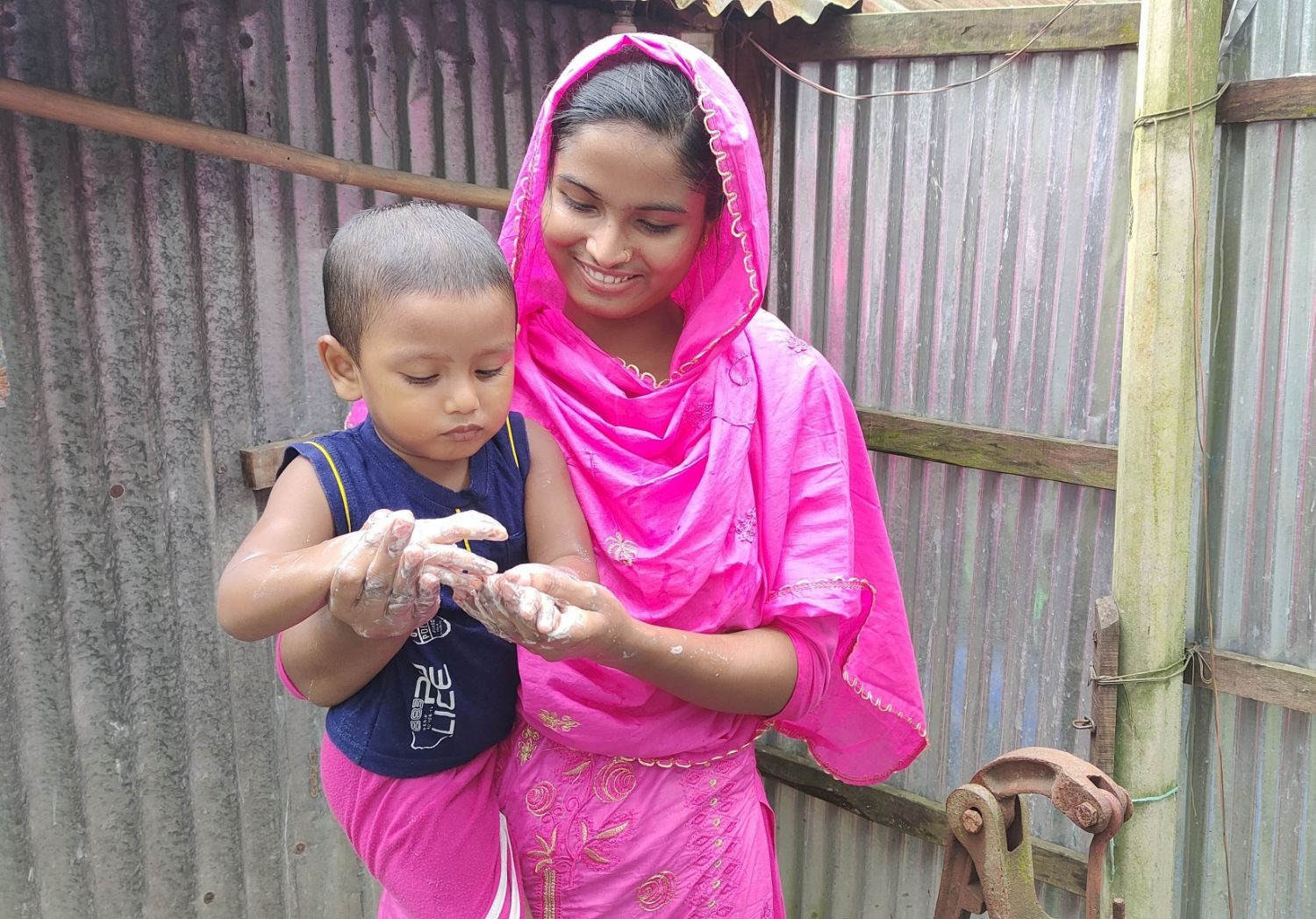
In rural and remote communities across South Asia and sub-Saharan Africa, health information rarely reaches the women who most need it. The consequences are measurable: preventable deaths in childbirth, malnutrition in early childhood, and conditions that worsen because families do not recognise the warning signs or know where to go. For many women, the only contact with a qualified medical professional in their adult lives is the day they give birth. For these communities, improving health knowledge at the community level is the first and most critical intervention.
For women living in poverty, especially those in rural low-resource settings, the gap is acute. Economic constraints limit access to facilities. Cultural norms restrict movement and decision-making. Geographical distance makes formal healthcare systems inaccessible. Low literacy also limits the effectiveness of print or digital information campaigns.
What these communities do have is trusted local women – natural leaders with deep cultural knowledge, existing relationships, and the respect of their neighbours. The Health Leaders program partners with financial inclusion organisations to identify, train and equip these women. A Health Leader – or community health worker – is not deployed from outside; she is already part of the community she serves. This is what allows the program to reach the women government and external programs consistently fail to serve.
A trusted local voice
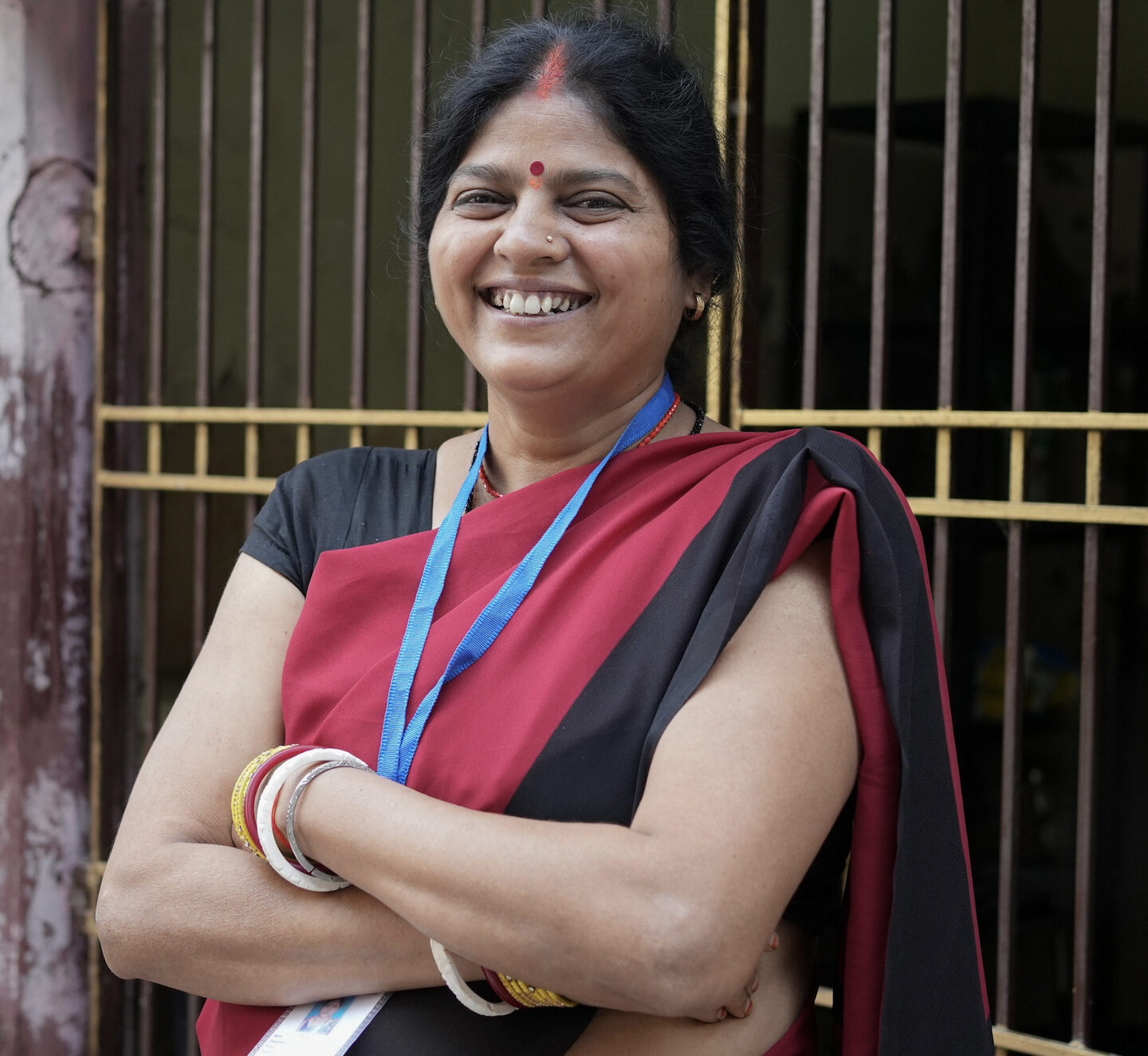
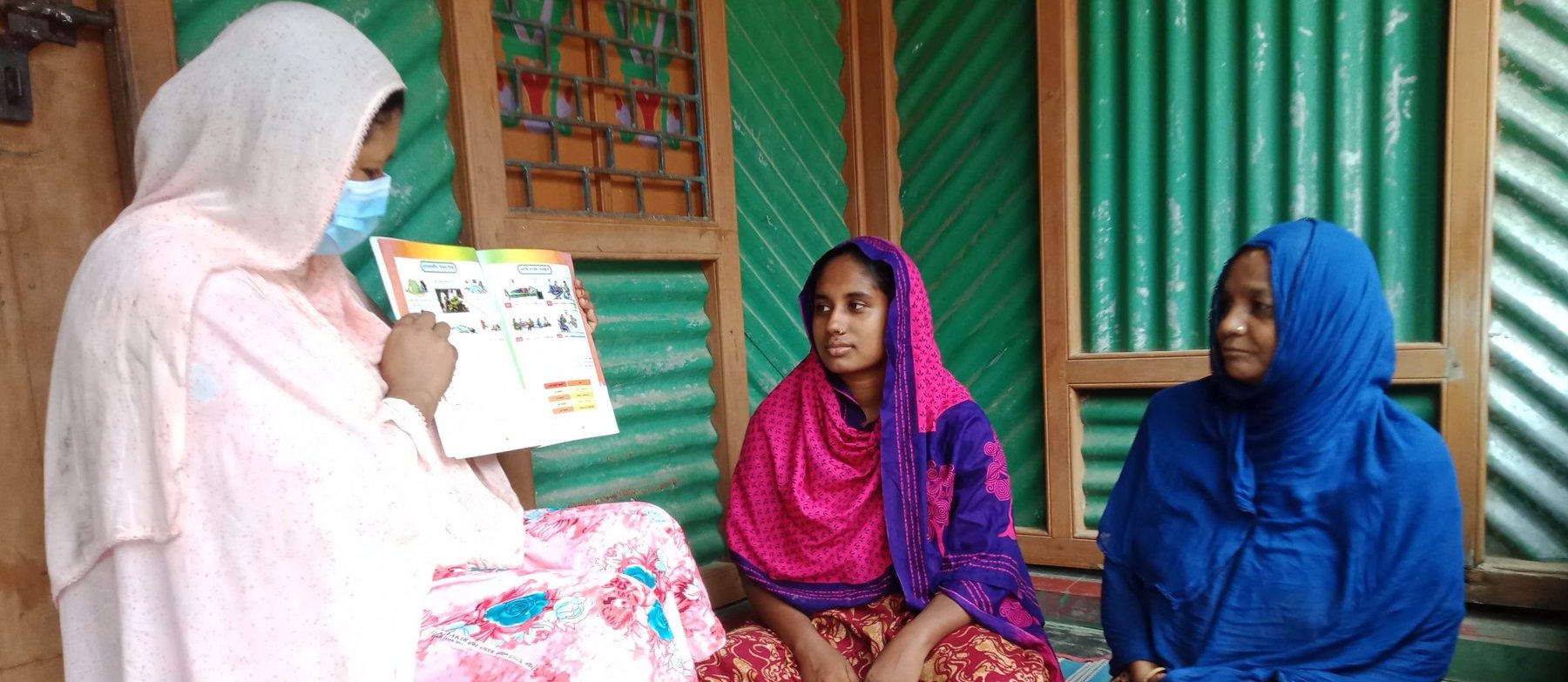
Health Leaders are typically recruited from the client base of partner financial institutions – microfinance clients, savings group members – women who have embedded community relationships. They have the relationships and cultural knowledge to make health education meaningful where it matters most and become a trusted local voice, serving as a bridge between her own community and the formal healthcare system. The research shows us that these Health Leaders, or community health workers, have enormous potential to extend universal health coverage and to meet health needs in a culturally appropriate way.
From microfinance client to community health educator
Step 1: Selection
Partner financial institutions and selected community leaders identify women with community standing and leadership potential – typically a microfinance client or savings group member already known and trusted in her neighbourhood. The selection criteria prioritise existing community relationships and local respect, not professional background or education.
Step 2: Training
Health Leaders receive structured training in the curriculum – practical, culturally adapted, and grounded in national Ministry of Health guidance. Training is designed for delivery by educators with varying literacy levels.
Step 3: Education delivery
Each Health Leader delivers regular health education sessions to households in her community, typically reaching 150-200 families. Sessions cover the modules most relevant to local health needs and priorities.
Step 4: Sustainable livelihoods
Health Leaders also generate income through selling health products, facilitating teleconsultations, and linking community members to specialist referrals and insurance. This livelihood component aligns the Health Leader's income with community health outcomes. Partner financial institutions co-invest in program design and delivery, and the program is designed to be sustained from within their own operations after the grant period ends.
Step 5: Working alongside government health systems
Health Leaders build relationships with and work alongside government frontline health workers rather than replacing them. They actively support government health campaigns, including immunisation, deworming, and HPV vaccination days, and refer community members into public health facilities, complementing rather than duplicating what the formal system provides. This coordination is built into the program design from the outset, with local partner staff mapping local public health centres and establishing relationships with government health staff before community delivery begins – relationships that persist after funding ends.
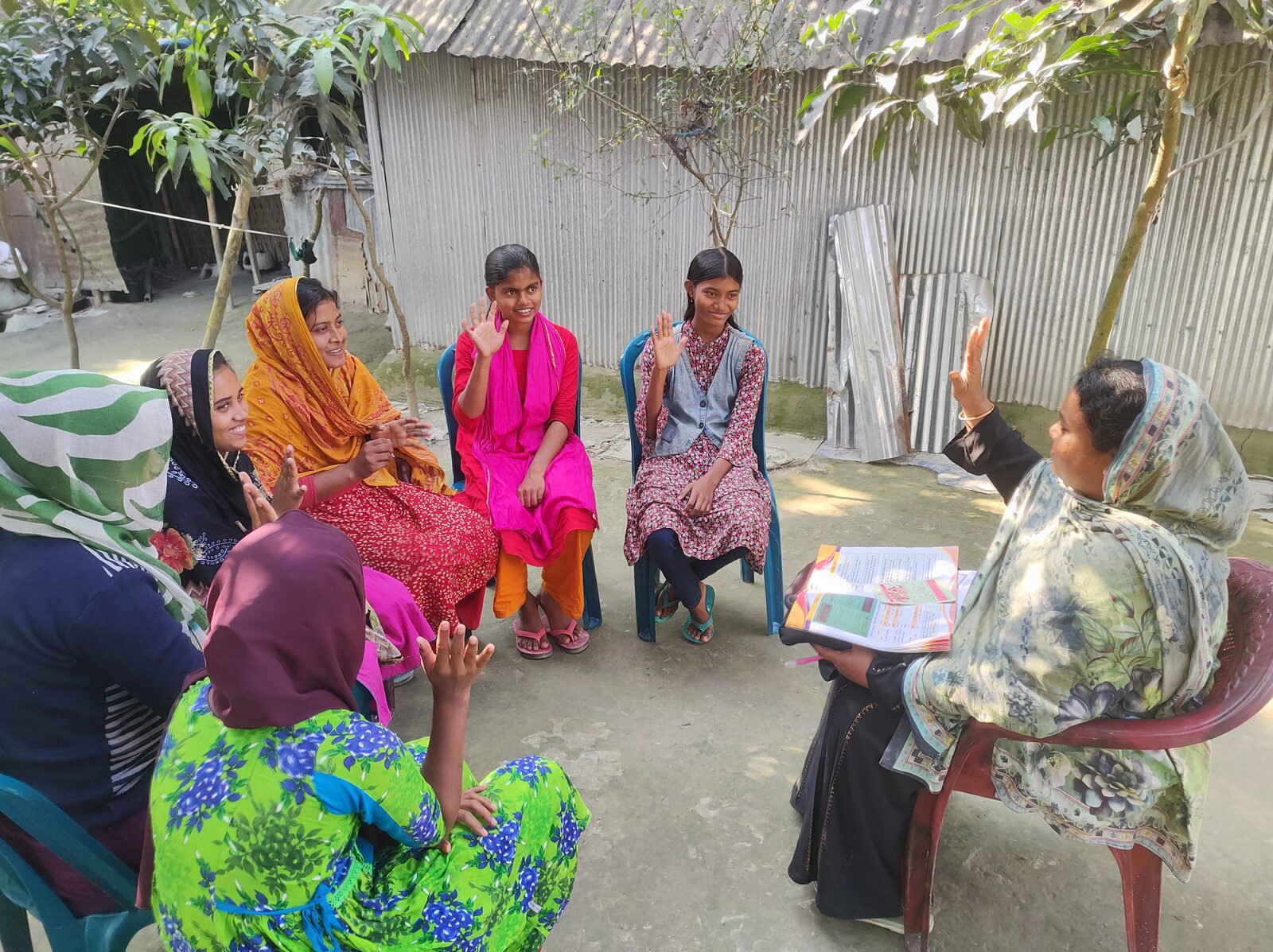
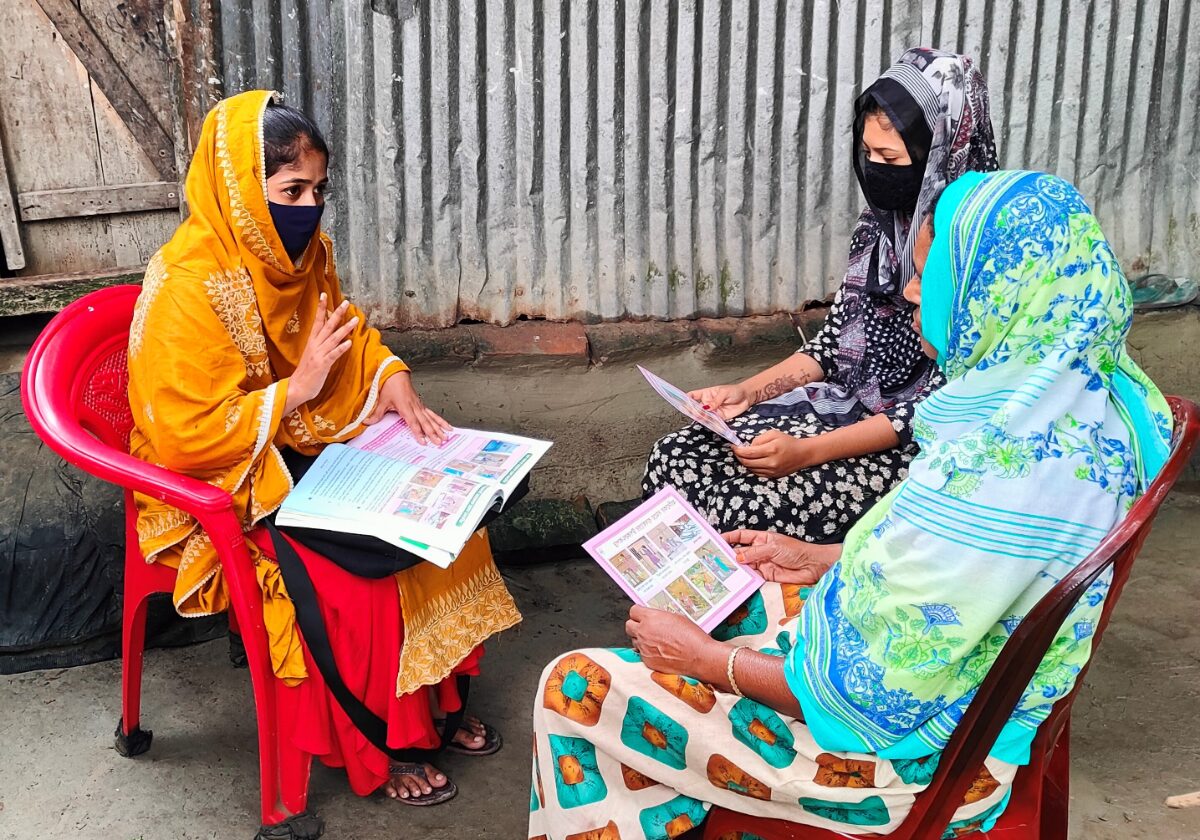
Health across a lifetime – an evidence-based curriculum
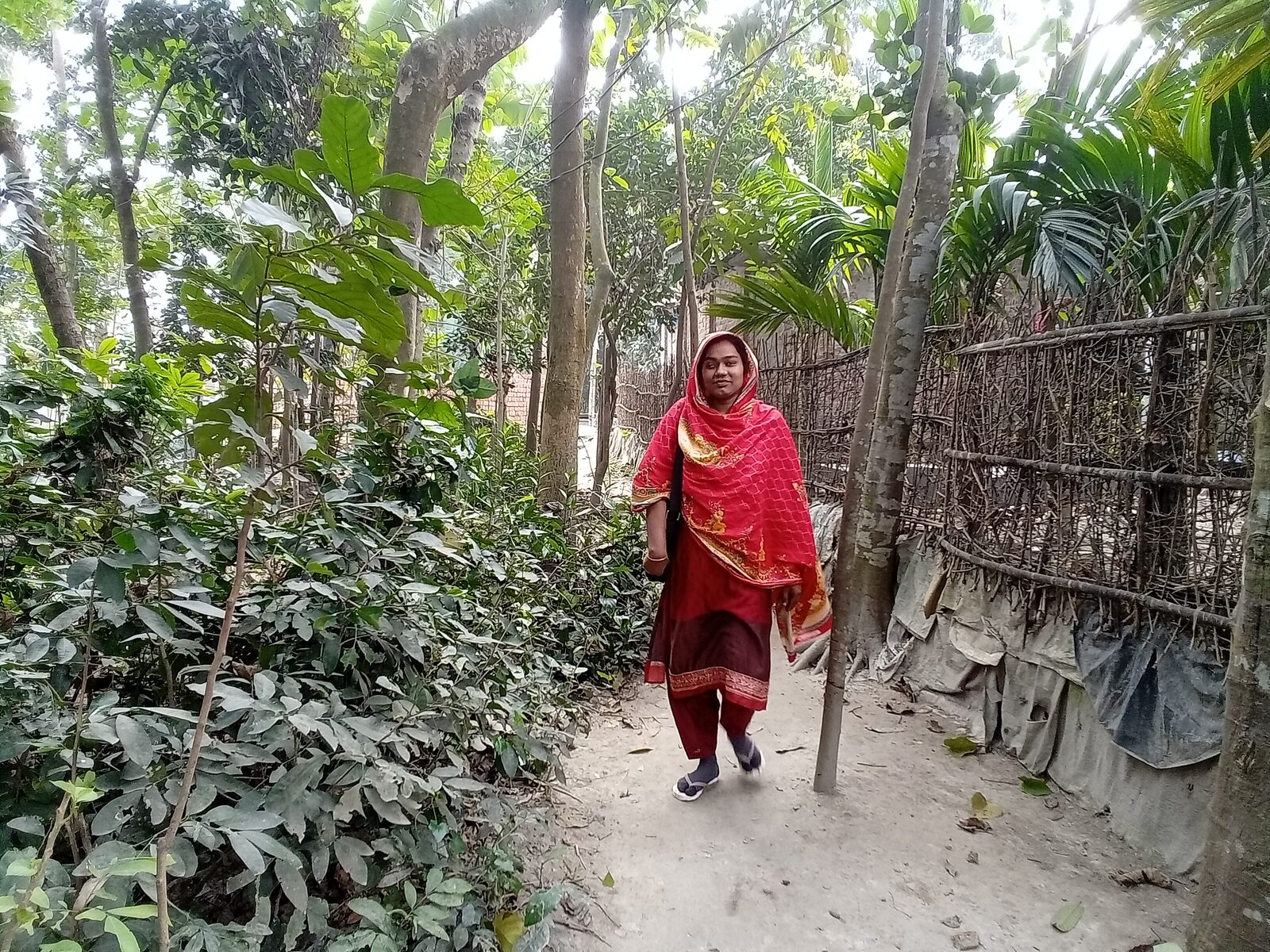
The Health Leaders curriculum is grounded in local national Ministry of Health guidance and adapted for delivery by community educators with varying literacy levels. Core modules address:
Maternal health
Antenatal care, safe delivery, postnatal care, danger signs.
Child health and early childhood development
Nutrition, immunisation, breastfeeding, growth monitoring, hygiene.
Menstrual and reproductive health
Menstrual hygiene, family planning, pregnancy spacing, reproductive rights.
Non-communicable disease prevention and management
Diabetes, hypertension, cardiovascular disease, mental health and wellbeing, medication adherence.
Communicable diseases
Malaria, HIV/AIDS, tuberculosis, diarrhoea, respiratory infections.
Nutrition and food safety
Balanced diet, micronutrient deficiencies, anaemia prevention, safe food storage and preparation.
Water, sanitation and hygiene (WASH)
Safe water storage and treatment, handwashing, sanitation and latrine use, household hygiene.
Climate-related health risks
Heat stress, vector-borne diseases, food and water safety, air quality.
Women's safety and rights
Recognising gender-based violence, early marriage, reporting pathways, legal and economic rights, access to support services.
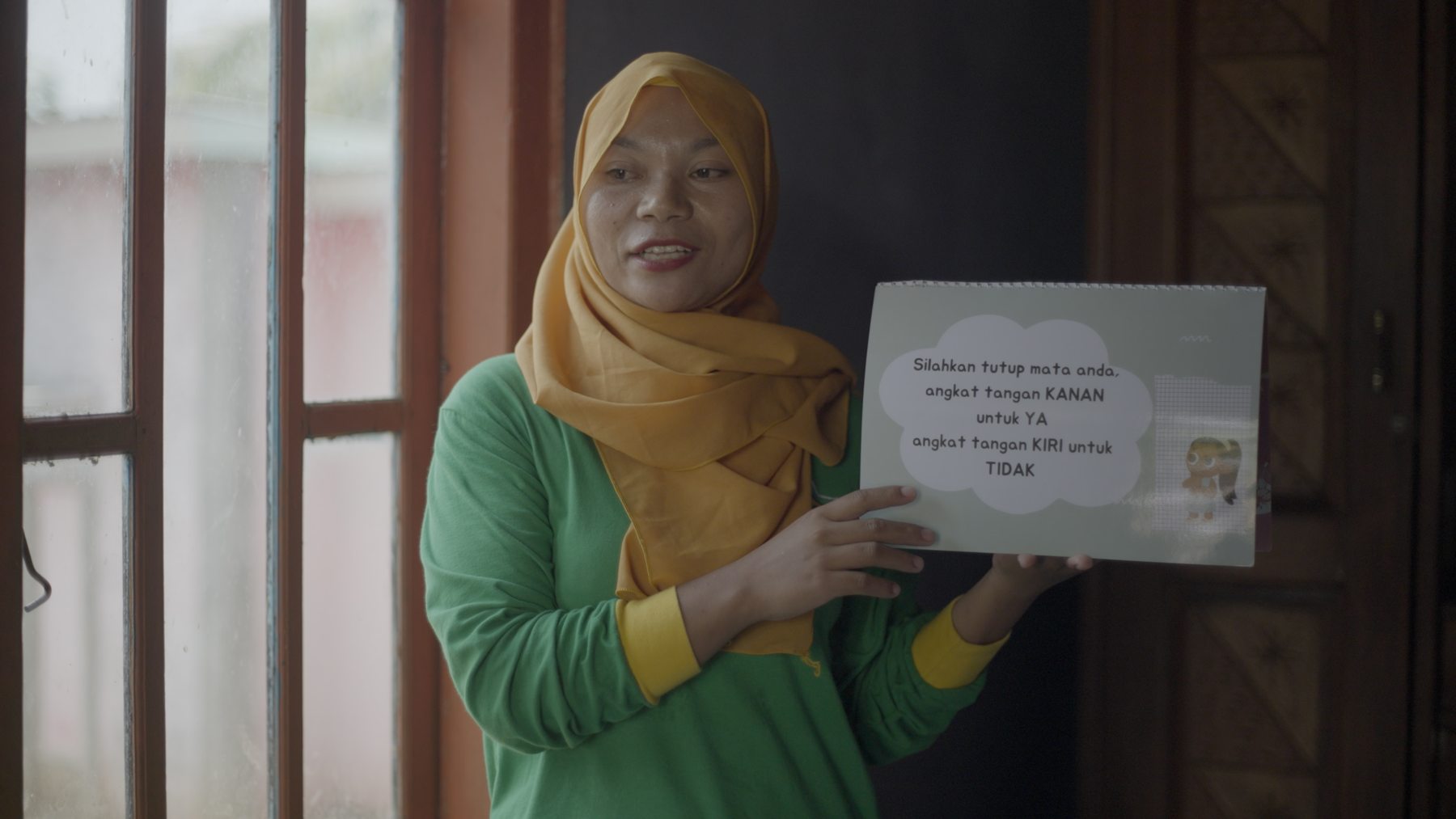
A sample of the teaching materials Health Leaders use in the field.
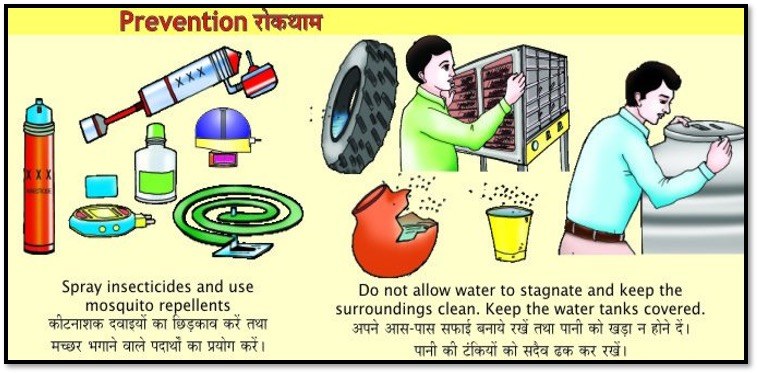
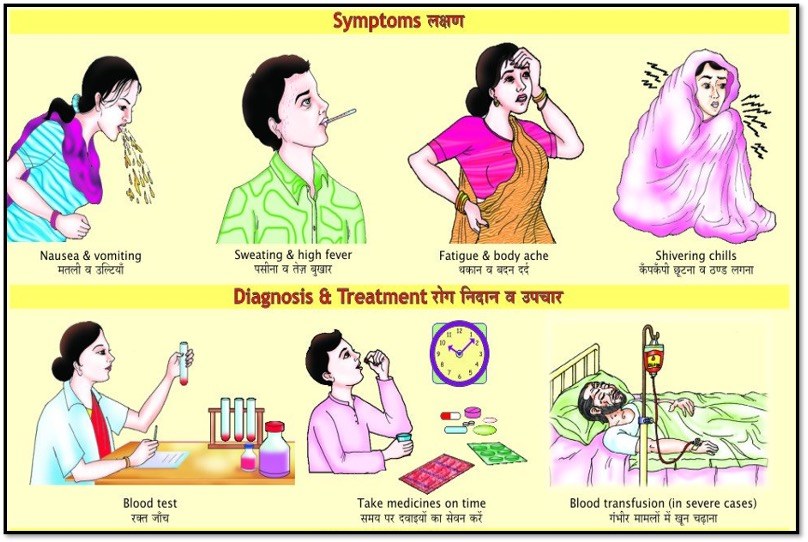
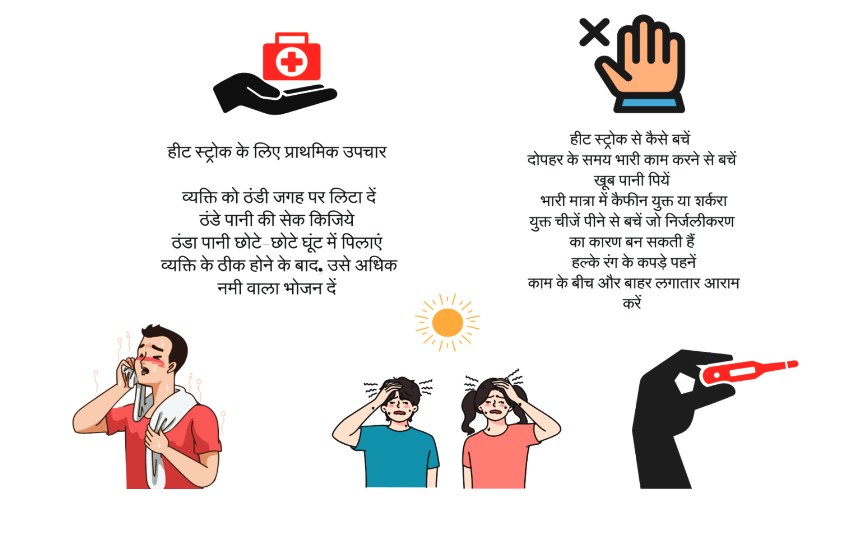
Knowledge gains are recorded across all topic areas. The greatest knowledge gains are consistently recorded among the least literate participants – confirming the effectiveness of oral, community-based delivery for reaching those with the least prior access to health information. These are precisely the populations that literacy-dependent health information campaigns cannot reach.
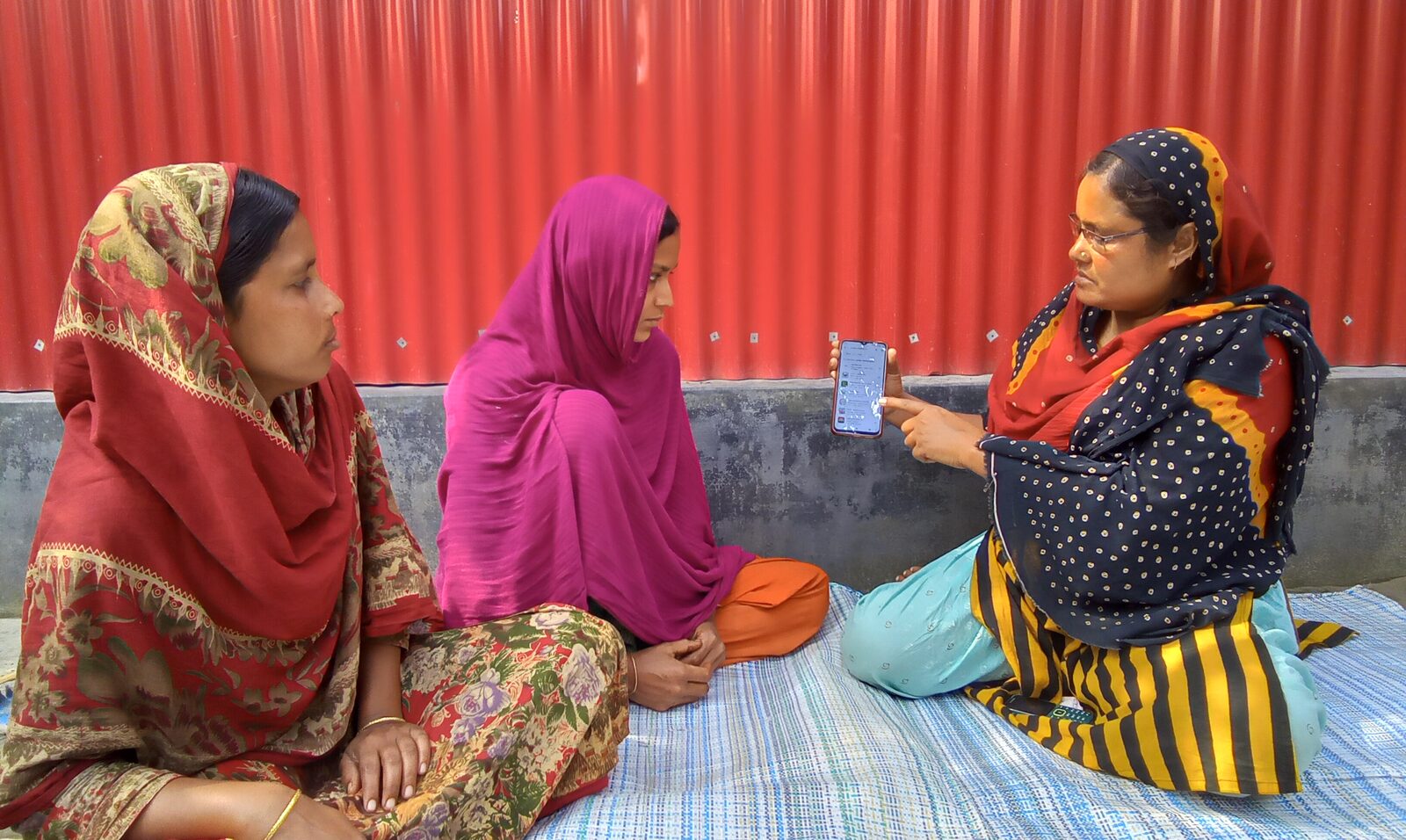
Health Leaders are supported by a purpose-built digital system: mobile apps for household data and referral tracking, telemedicine access for remote medical consultation, and a centralised electronic health information system that feeds program monitoring and evaluation. Sessions are delivered across households, community groups, and local schools – reaching adolescents as well as adults.
Measurable improvements in health knowledge, attitudes and practices
Communities served by Health Leaders show consistent and measurable improvements in health knowledge across six topic areas (Health Finance program evaluations, 2025).
| Topic area | Baseline | Increase |
|---|---|---|
| Menstrual and reproductive health | 16% | +61 percentage points |
| Maternal health | 19% | +60 percentage points |
| Non-communicable disease, including diabetes and hypertension | 13% | +55 percentage points |
| Water, sanitation and health habits | 24% | +52 percentage points |
| Neonatal and child health | 34% | +48 percentage points |
| Infectious disease, including HIV and tuberculosis | 21% | +43 percentage points |
Confidence to act
In 2025, 5,395 people completed women's safety training through the Health Leaders program. Afterwards, 70% of participants reported confidence to support a survivor, seek help or report an incident, up from 11% at baseline.
people completed women's safety training in 2025
increase in participants reporting confidence to support, seek help or report incidents
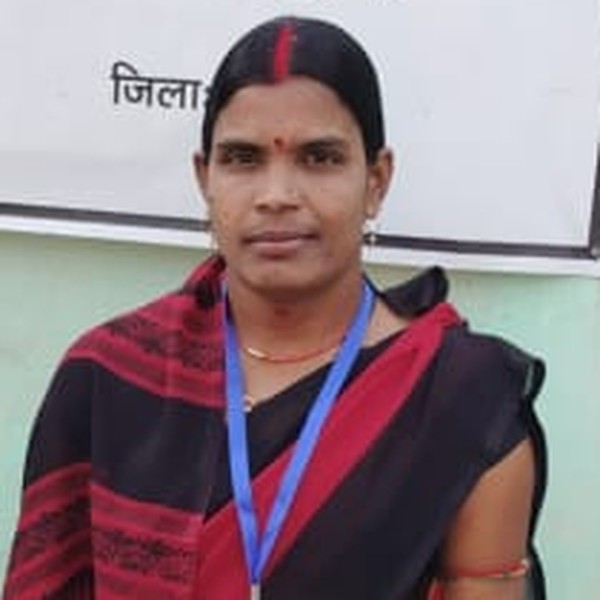
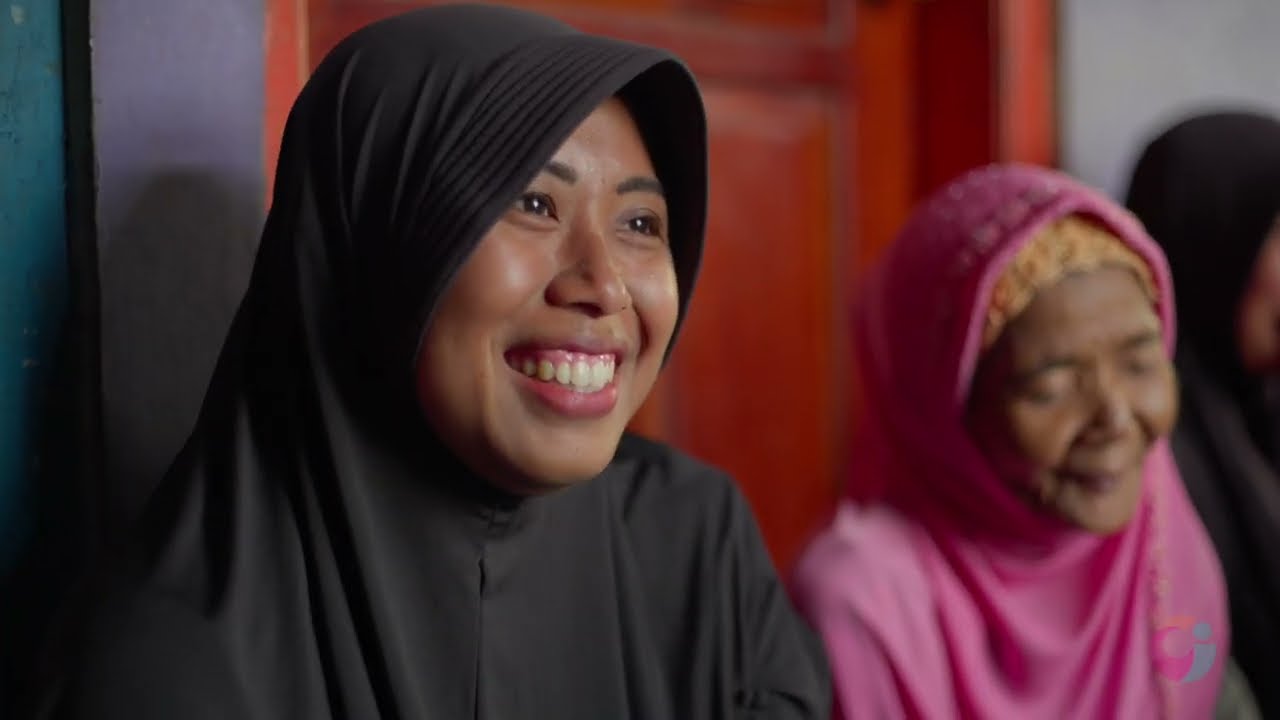
“Working as a Health Leader has made me gain a good reputation within the community. They feel that I can help them when they are sick by connecting them with good doctors online through the teleconsultation sessions. I am thankful to the program for making me financially stable and independent and wish to continue working as a Health Leader for as long as possible.”
Mobile health clinics: care at the doorstep
In rural Bangladesh, public facilities are overstretched, travel to care takes hours on poor roads, and the cost of treatment means families often delay seeking help until conditions become serious. Structural barriers keep healthcare out of reach for many women and families.
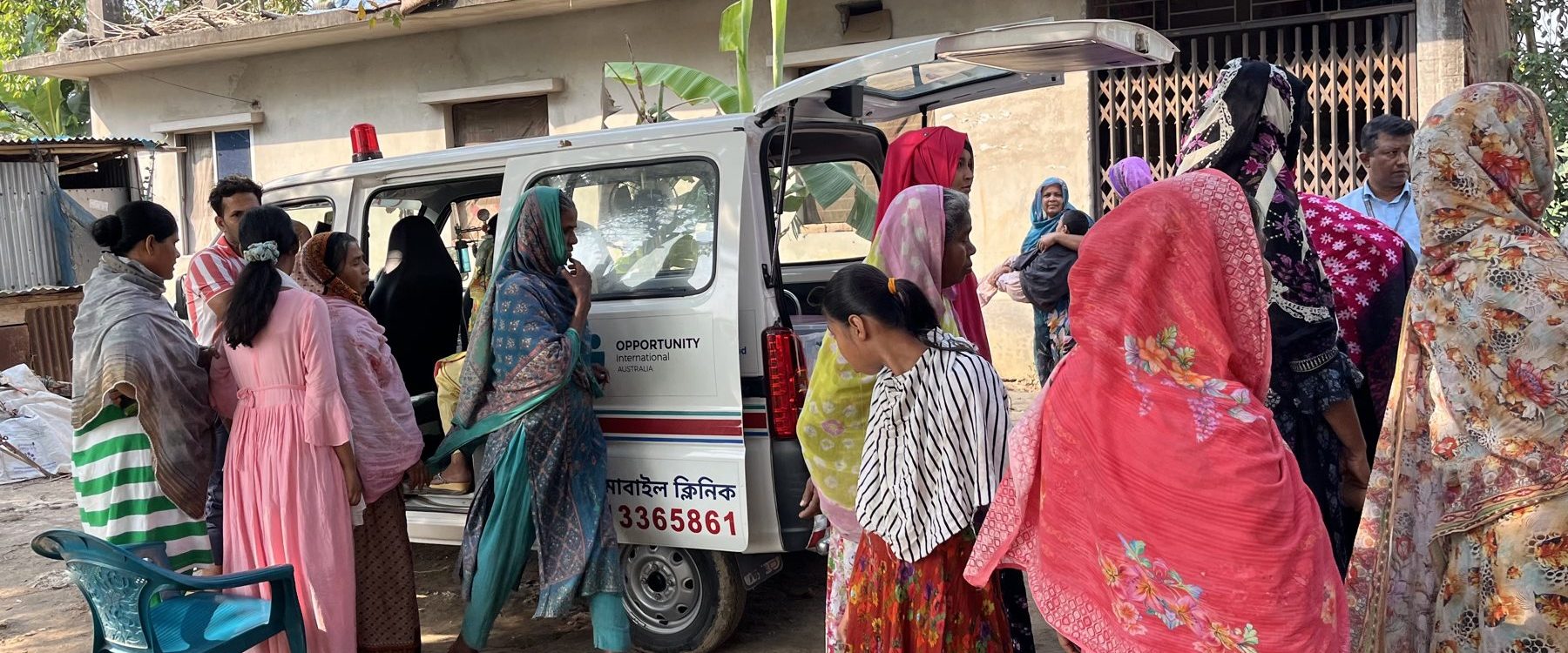
Working with microfinance partner Shakti Foundation, Opportunity Health Finance supports a network of mobile health clinics that bring affordable primary healthcare directly into rural communities. Each clinic is staffed by two Medical Assistants, who deliver primary care and education, facilitate teleconsultations with a qualified doctor and offer referral support.
Each visit offers consultations, screening and diagnostics for conditions including hypertension and diabetes, maternal health monitoring, affordable medications, and referrals to hospitals and specialists. Health education sessions and women's support groups run alongside clinical services, reinforcing the behaviour change and knowledge-building that Health Leaders deliver at the community level. Health cards support care navigation and discounted pricing for Shakti members.
Clinics are brought directly into communities, removing the travel barrier entirely and enabling the program to reach people with limited mobility, including women, children, people with disability and the elderly.
Since launching in 2024, the network has reached more than 122,000 people across rural Bangladesh (to the end of 2025). Consultation fees start from less than A$0.40, designed to be genuinely affordable for low-income families. The program has already reached approximately 45% operational cost recovery (to the end of 2025), with Shakti Foundation progressively co-funding operations and integrating the clinics into its microfinance network as part of a pathway to long-term sustainability.
The mobile clinics are integrated with and reinforce the benefits of Shakti's microfinance program. Microfinance loan officers, who have seen the benefit of the clinics in their communities, help select locations for the mobile clinics and mobilise the community for the clinic's visits. Medical Assistants also provide care for the field-based loan staff and their families.
people reached through mobile health clinics in Bangladesh since 2024 (to the end of 2025)
operational cost recovery to the end of 2025, on a path to sustainability without ongoing grant dependence
consultation fee, designed to be affordable for low-income families
Active programs
- India(active)
- Indonesia(active)
- Bangladesh(active)
- Nepal(active)
- Malawi(active)
- Ghana(expanding, subject to funding confirmation)
- Uganda(expanding, subject to funding confirmation)
Designed to sustain without ongoing grant funding
The Health Leaders model is designed for sustainability from the outset. It works with financial inclusion organisations that already hold established community relationships, branch networks and the trust of low-income women – integrating health into what those organisations already do, rather than introducing a separate external program.
Health Leaders themselves are the strongest source of continuity. Because they are women from the communities they serve, rather than staff deployed from outside, they remain in place after the program funding period ends. The knowledge, skills and community relationships they hold continue independently of the funding cycle.
An investment case for scaling community health workers across sub-Saharan Africa modelled a return of around ten dollars for every dollar invested, in avoided health events and costs, jobs created and lives saved (UN Special Envoy for Health, 2015).
Partner financial institutions co-invest in design and delivery from the outset, integrating Health Leaders into their client services. The target is full partner ownership within five years, with programs funded from partners' own revenue and community service budgets.
Opportunity and partner KOMIDA built the foundations of the Indonesian Health Leaders program together. KOMIDA has continued to run and scale it from their own resources since 2023.
We welcome conversations with partners interested in a proven, scalable model for reaching women and families at the last mile with health education.
Contact