Health built into the financial systems families already trust
Around 1.6 billion people are pushed into or deeper into poverty by out-of-pocket health costs every year, often for conditions manageable through affordable primary care (WHO, 2022 data).
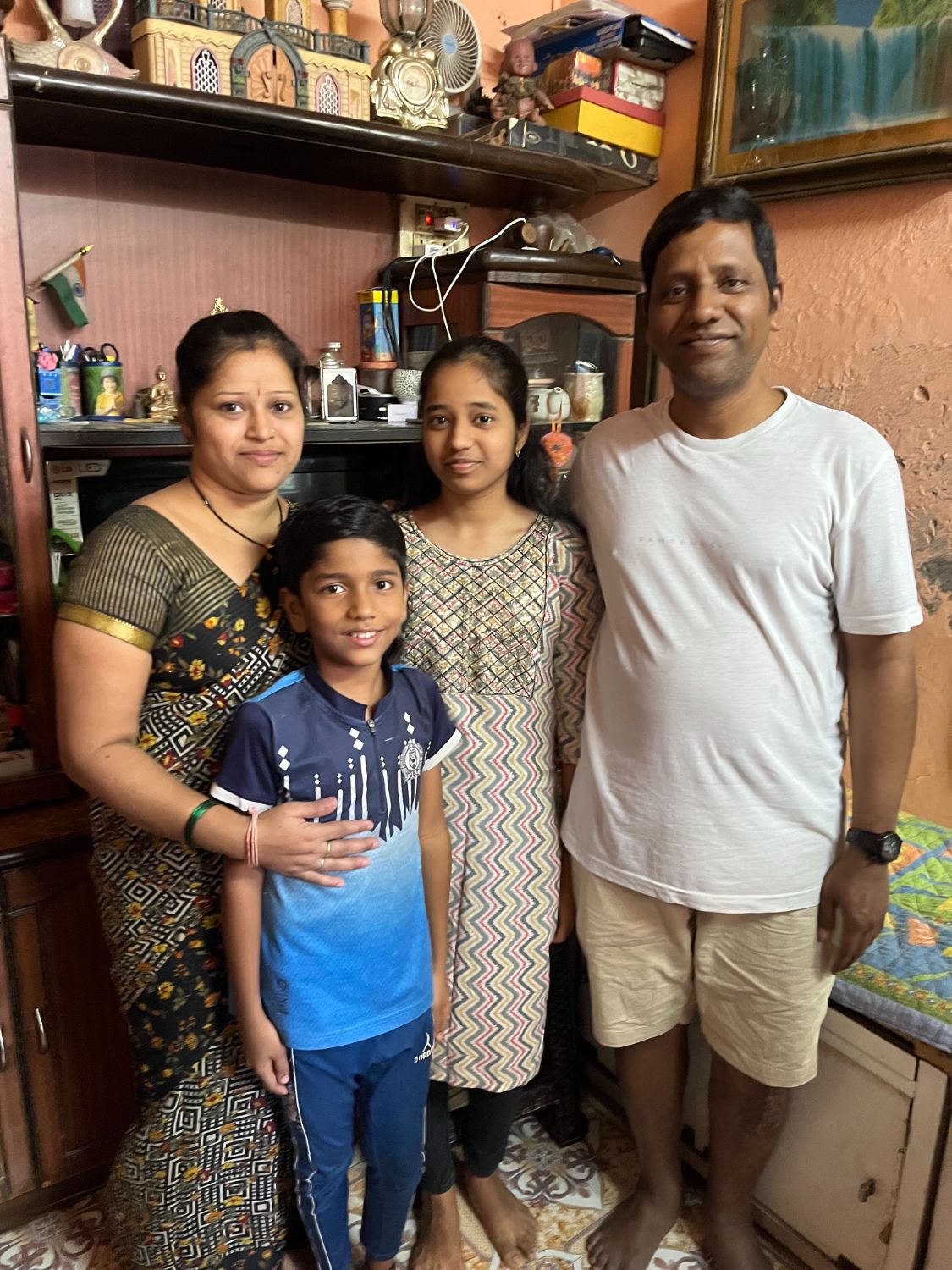
people reached through the Health Finance program (2025)
Emergency Medical Loan repayment rate (2025)
of health loans, and of Health Savings Accounts, held by women (2025)
countries currently active: India, Indonesia, Bangladesh, Nepal and Malawi
Three barriers, three connected responses
Health Finance takes an integrated approach, with three pillars, each addressing a different barrier between a low-income family and good health, with women and girls at the centre.

Health Leaders
Health knowledge, in the community
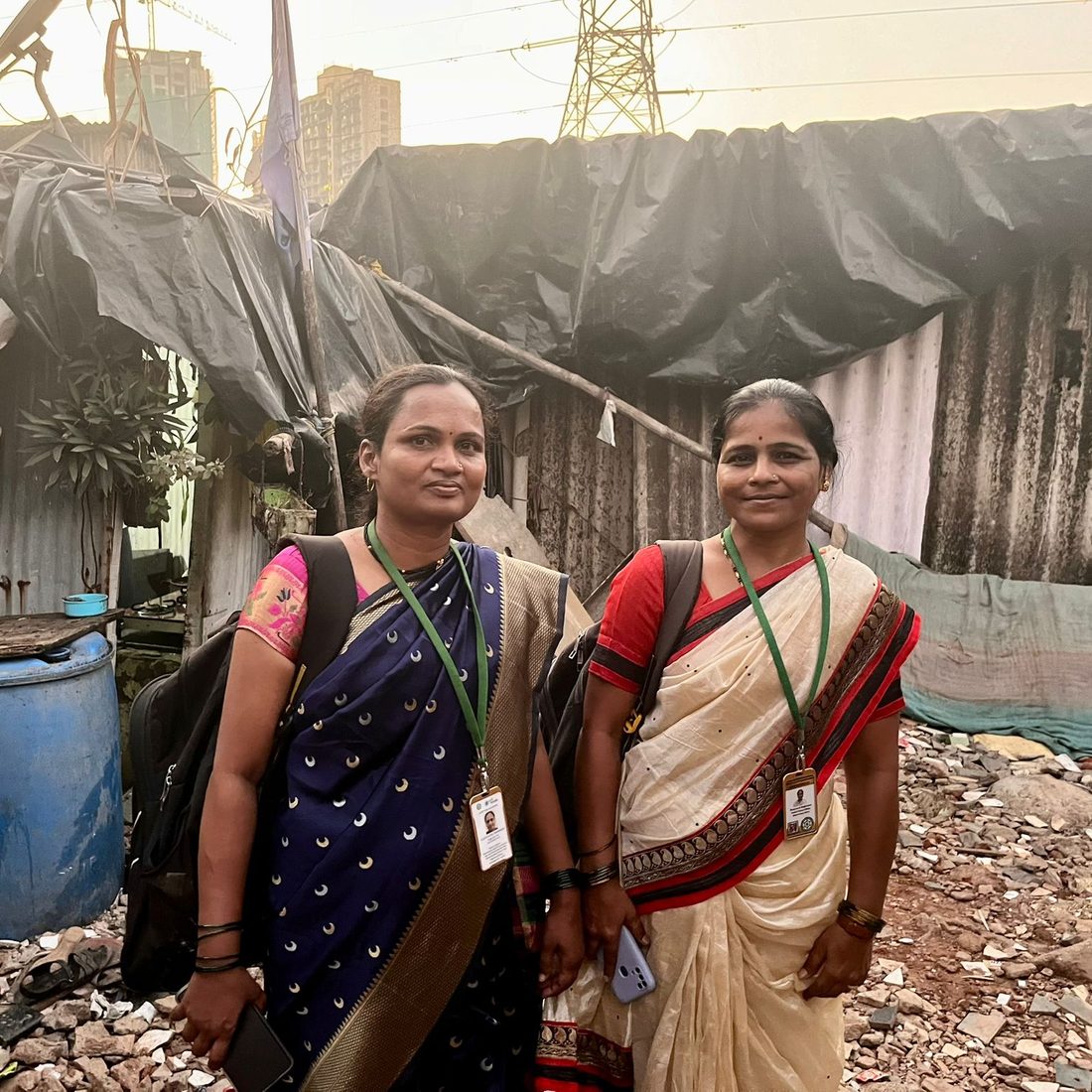
Women already trusted within their communities, often microentrepreneurs and clients of partner financial institutions, are trained as community health educators. Each Health Leader typically reaches 150-200 families with practical health education and earns income alongside her role.
Health Entrepreneurs
Better care, close to home
Community pharmacies, drug shops and small clinics are often the first and only point of contact families have with the health system. Health Entrepreneurs is designed to provide these last-mile providers with financing and technical assistance through partner financial institutions, improving the quality, reliability and range of care and products available locally.

Health Finance Hubs
Affordable protection against the cost of care
Partner financial institutions design and deliver health-specific financial products – health savings accounts, emergency medical loans, and insurance or mutuals – so the cost of care does not undo a family's financial progress. These products are delivered through Health Finance Hubs: community-embedded platforms that combine financial products with health education, triage, telehealth and care navigation.
Health and financial security cannot be addressed in isolation
Health Finance works at the intersection of health and financial inclusion. The model responds to the full spectrum of needs that women and families have voiced: knowledge and skills at the household level (Health Leaders), better quality accessible care at the community level (Health Entrepreneurs), and financial products that protect their health and the livelihoods they have built (Health Finance Hubs).
Health and financial security cannot be addressed in isolation, and each reinforces the other. Knowledge alone is insufficient without affordable financial tools to act on it: a woman who knows she needs care, and cannot pay for it, faces a different version of the same crisis.
Health Finance's initiatives are layered onto locally-led economic empowerment programs and delivered by financial inclusion partners who already have branch networks, staff and community relationships in place, so the model extends what already exists rather than building new distribution from the ground up. During the COVID-19 pandemic, Opportunity mobilised communities through its financial inclusion partners, contributing to the delivery of 6.4 million vaccine doses through a public-private partnership.
The evidence for integrated approaches is growing. A systematic review of 35 integrated microfinance and health programs across 17 countries found that health education and promotion delivered through microfinance networks consistently improved health knowledge and behaviours, and that combined programs outperformed either component alone (Lorenzzetti et al., 2017, Health Policy and Planning).
Designed to be owned and sustained locally
Partner financial institutions are local organisations with existing relationships in the communities they serve. They co-invest in program design and delivery from the outset, typically contributing 20-40% of costs from day one, and progressively take on a greater share as each program matures. Programs typically transition to full partner funding within three to five years. Health shocks are a common cause of late repayment and loan default (Gray et al., 2010), so our financial inclusion partners have their own business case for investing in the health of the low-income communities they serve.
Because programs are embedded in local structures rather than delivered through a parallel system, they remain in place after grant funding ends. Health Leaders are women from the communities they serve and continue to apply and share what they have learned independently of the funding cycle.
Opportunity also convenes a Health Community of Practice of around 20 financial inclusion partners: a peer network for sharing what works in integrating health, which extends beyond the partners Health Finance funds directly.
In Indonesia, Opportunity supported financial inclusion partner KOMIDA to establish their Health Leaders program, providing a strong foundation from which they have funded and operated independently since 2023.
Questions we are often asked
What is Opportunity Health Finance?
Opportunity Health Finance is the global health program of Opportunity International, working with local financial institutions to make primary healthcare accessible and affordable for low-income women and families.
The model exists so that a woman working her way out of poverty has the knowledge, the care and the financial tools to protect her health, her family's health and the livelihood she has built, and to build resilience against the health costs that would otherwise reverse her progress. Each of those needs is met by one of three pillars: Health Leaders, Health Entrepreneurs and Health Finance.
Health Finance is implemented by Opportunity International Australia through local partners, with support from the Opportunity International Network.
Why work through financial institutions rather than deliver healthcare directly?
Partner financial institutions already have trusted relationships, branch networks and staff in the low-income communities Health Finance aims to reach. Layering health into those existing relationships is more cost-effective than building new distribution channels and gives the model a credible path to being funded by partners themselves through operational and CSR budgets over time.
Are the three pillars separate programs, or one model?
One integrated model, delivered through our local financial institution partners. Each pillar responds to a different level of need: knowledge and skills at the household level, more reliable care at the community level, and financial products that protect the livelihoods families have built.
Not every pillar operates in every market. Our locally-led approach means programs are co-designed with local partners to respond to community needs, so the program pillars can be introduced individually or in combination.
Where does Health Finance work?
Health Finance programs are currently active in India, Indonesia, Bangladesh, Nepal and Malawi, with expansion to Ghana and Uganda planned, subject to funding confirmation. To date, 8.7 million people have been reached across India, Bangladesh, Nepal, Indonesia and Malawi.
Is the model financially sustainable?
Sustainability is built into the design. Partner financial institutions co-invest from the outset and progressively increase their share of program costs, with programs typically transitioning to full partner funding within three to five years. The Health Finance Hub model is designed to become operationally self-sustaining through income from health loan portfolios. In Indonesia, partner KOMIDA has funded and operated the Health Leaders program independently since 2023, on a foundation Opportunity helped establish.
How can a financial institution, funder or partner get involved?
Opportunity Health Finance welcomes conversations with financial institutions and funders interested in a scalable model with demonstrated results in community health education and health financial products.
Opportunity Health Finance welcomes conversations with financial institutions and funders interested in a scalable model with demonstrated results in community health education and health financial products.
Contact