
What changes when health meets financial inclusion
Evidence of impact, from the communities hardest to reach
Reach and results to the end of 2025
people reached to date across India, Bangladesh, Nepal, Indonesia and Malawi
people reached through the Health program in 2025
of participants are women and girls
Emergency Medical Loans issued in 2025
emergency medical loan repayment rate
of Health Savings Accounts held by women
of health loans go to women
reduction in out-of-pocket healthcare expenditure for Health Finance Hub participants
Last updated December 2025.
Measurable gains across every topic area
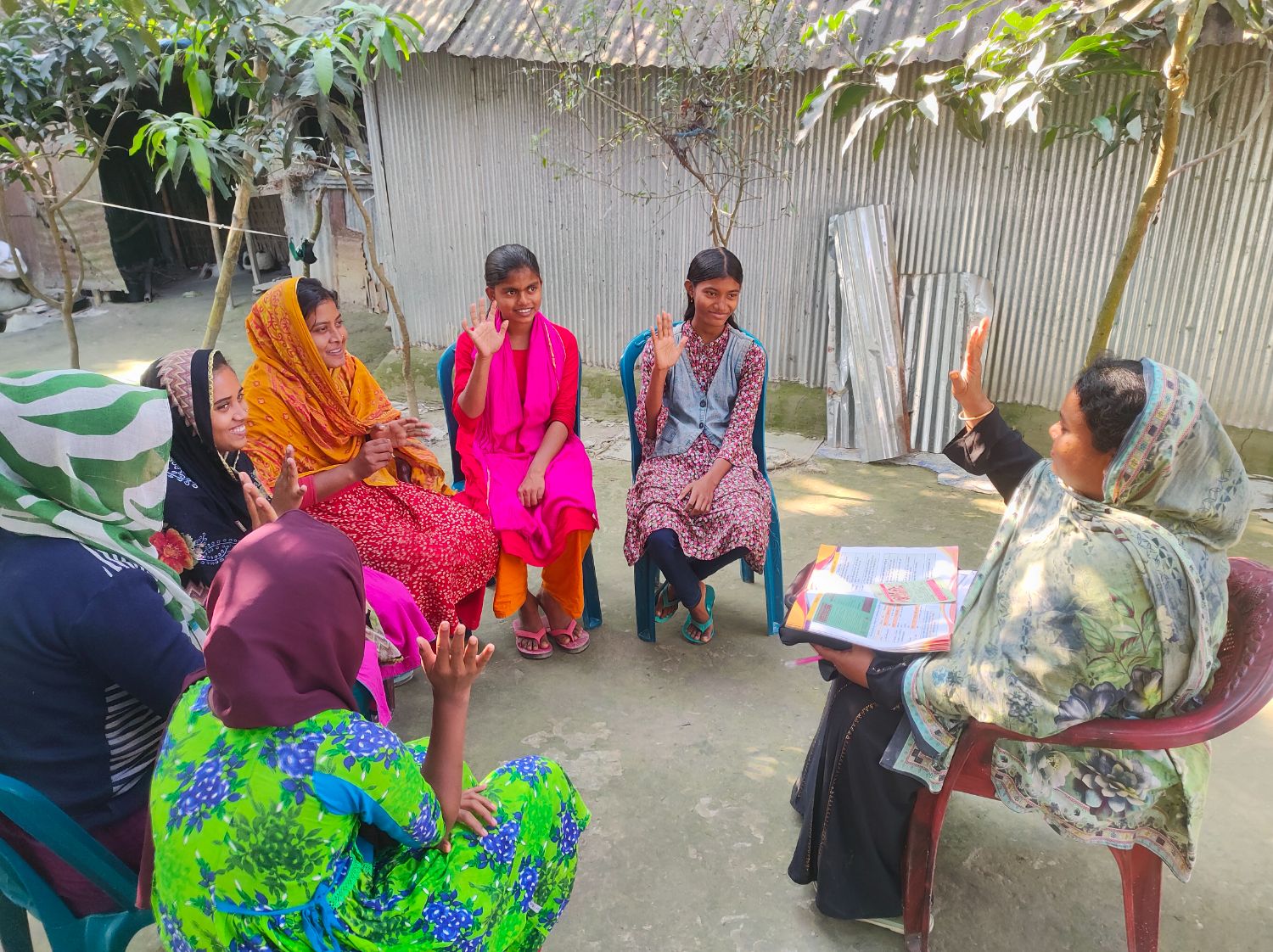
Communities served by Health Leaders show consistent and measurable improvements in health knowledge across six topic areas (Health Finance program evaluations, 2025). The greatest gains are consistently recorded among the least literate participants.
| Topic area | Baseline | Increase |
|---|---|---|
| Menstrual and reproductive health | 16% | +61 percentage points |
| Maternal health | 19% | +60 percentage points |
| Non-communicable disease | 13% | +55 percentage points |
| Water, sanitation and hygiene | 24% | +52 percentage points |
| Neonatal and child health | 34% | +48 percentage points |
| Infectious disease | 21% | +43 percentage points |
Confidence to act
In 2025, 5,395 people completed women's safety training through the Health Leaders program. Afterwards, 70% of participants reported confidence to support a survivor, seek help or report an incident, up from 11% at baseline.
people completed women's safety training in 2025
increase in participants reporting confidence to support, seek help or report incidents
Active programs
- India(active)
- Indonesia(active)
- Bangladesh(active)
- Nepal(active)
- Malawi(active)
In Indonesia, Opportunity supported financial inclusion partner KOMIDA to establish their Health Leaders program, providing a strong foundation from which they have funded and operated independently since 2023. It is the clearest demonstration of what the model is designed to do: continue under local ownership once grant funding stops.
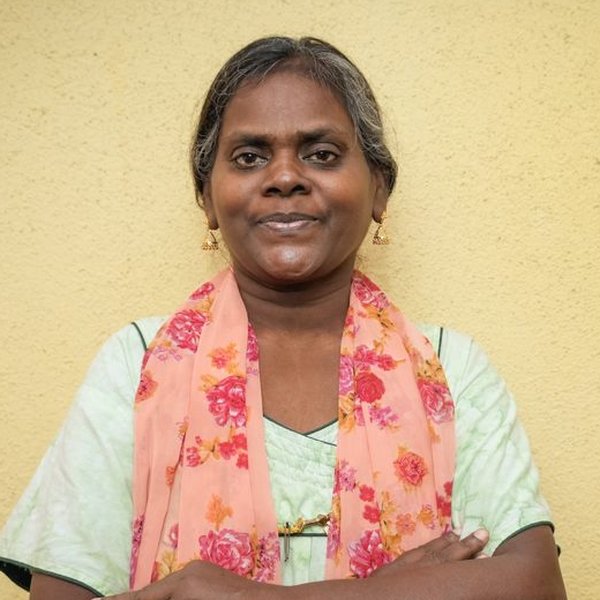
“The relief I felt was unbelievable. I was able to access the treatment I needed... I have also begun saving through Uplift and encourage women in my own community not to delay the care they need.”
Health Finance welcomes conversations with partners interested in scaling evidence-based health and financial inclusion programming.
Contact